 Axis. This gives,
 ,
,
 ,
and
,
and
 body axes in Earth coordinates:
Jenny Dykes 12/31/2007
Derivation of angular velocity components (pqr) in body coordinates. This derivation applies to Euler angles relative to the right handed coordinate system defined by a set of axes fixed to the Earth. Yaw is the first rotation about the z axis, pitch is the second rotation about the y axis that formed following yaw, and roll is the third rotation about the x axis that was formed following pitch.
Yaw is the
first rotation about the Earth's
Axis. This gives,,
,
and
body axes in Earth coordinates:
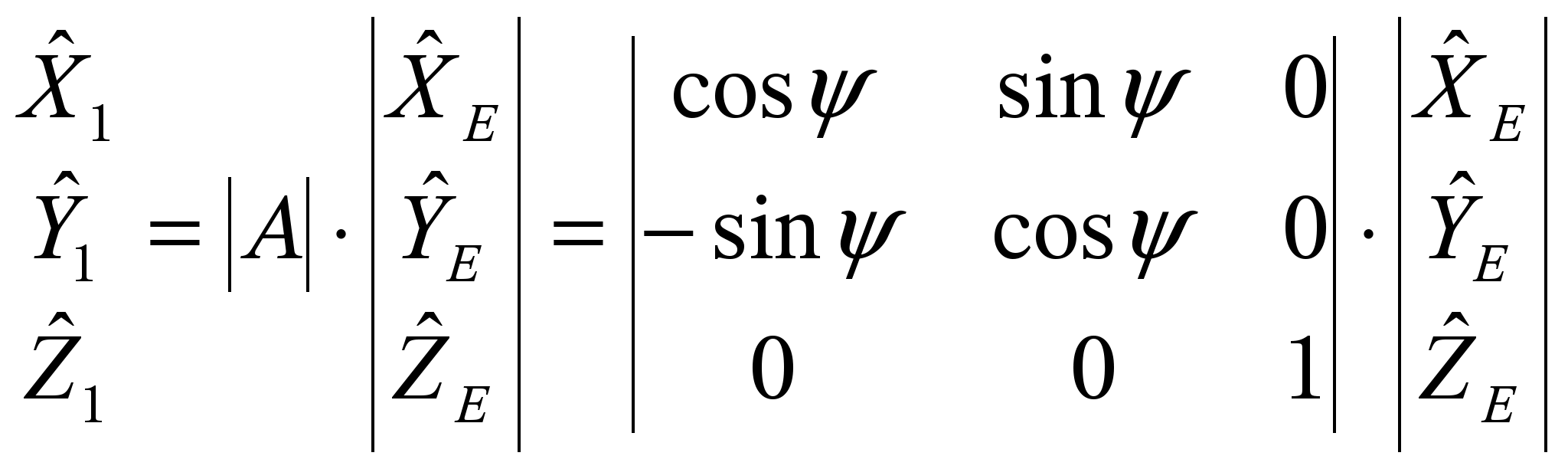 1
1
The
 matrix is the direction cosine matrix and defines the axes components
after the yaw rotation. The
matrix is the direction cosine matrix and defines the axes components
after the yaw rotation. The
 and
and
 matrices will define the axes components after the pitch and roll
rotations. The Earth axes in,
,
and
body coordinates are given by transposing the A matrix:
matrices will define the axes components after the pitch and roll
rotations. The Earth axes in,
,
and
body coordinates are given by transposing the A matrix:
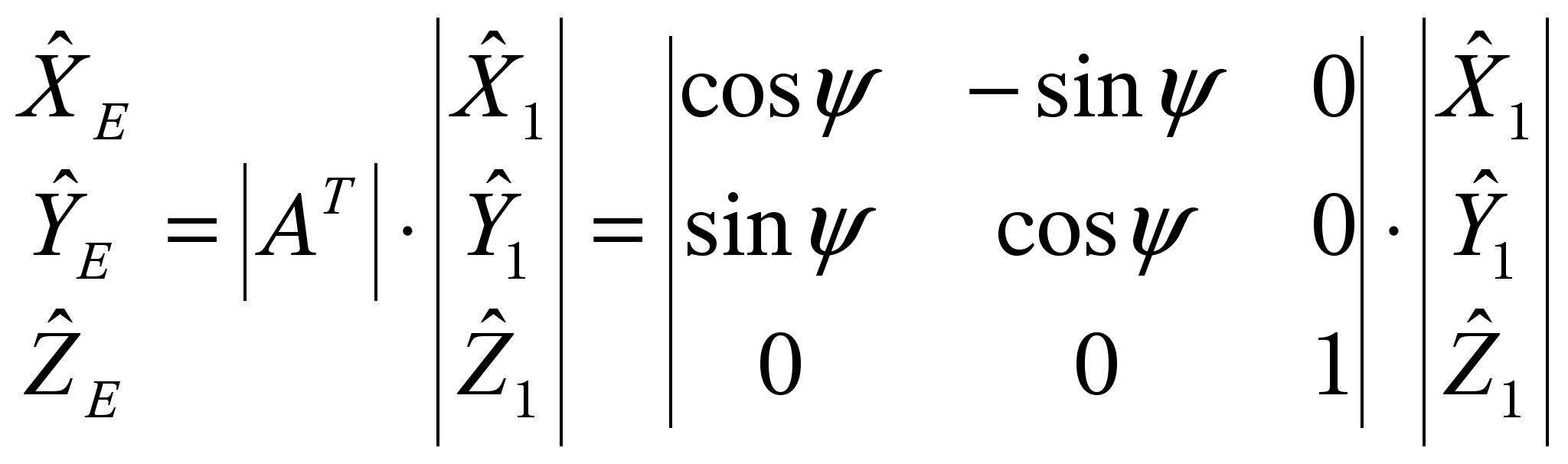 2
2
This says that:
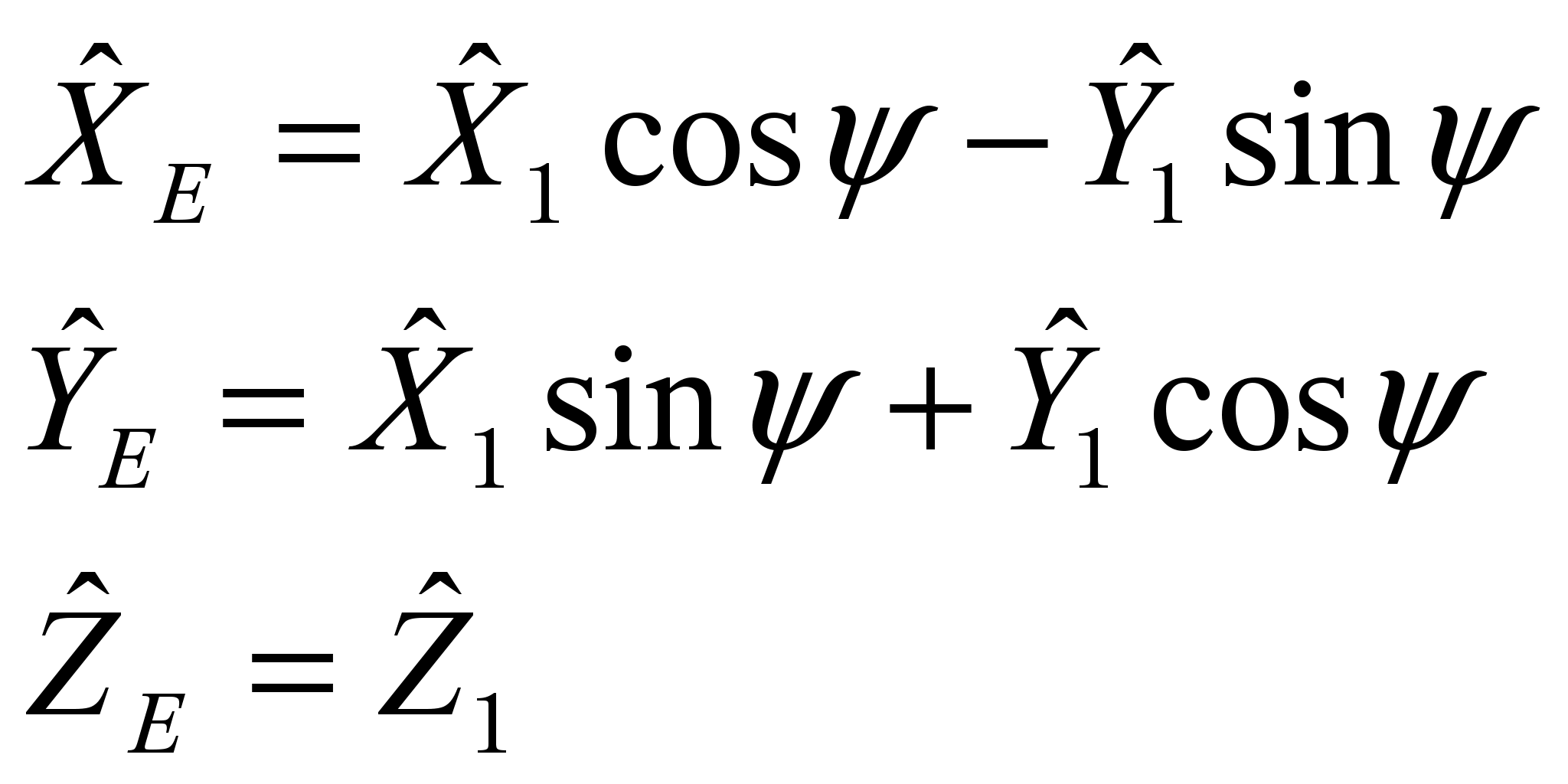 3
3
Pitch is
defined as the rotation about the new
 axis that was created when we yawed about the
 axis. We pitch about the
axis to get
axis. We pitch about the
axis to get
 ,
,
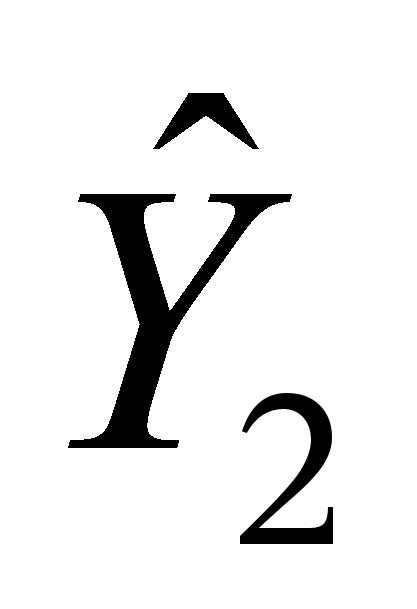 ,
,
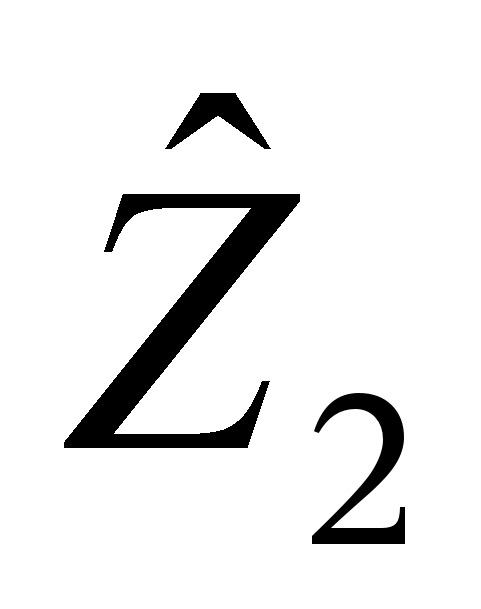 body axes.
 4
4
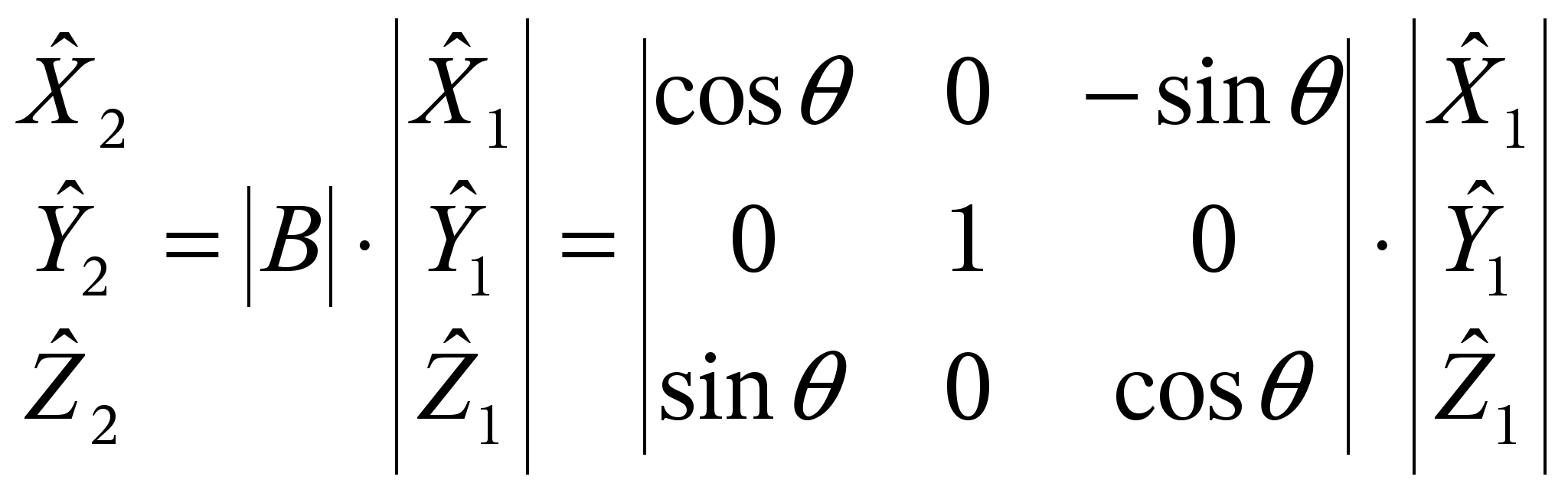
Body
 ,
,
,
,
 axes in,
,
coordinates are given by:
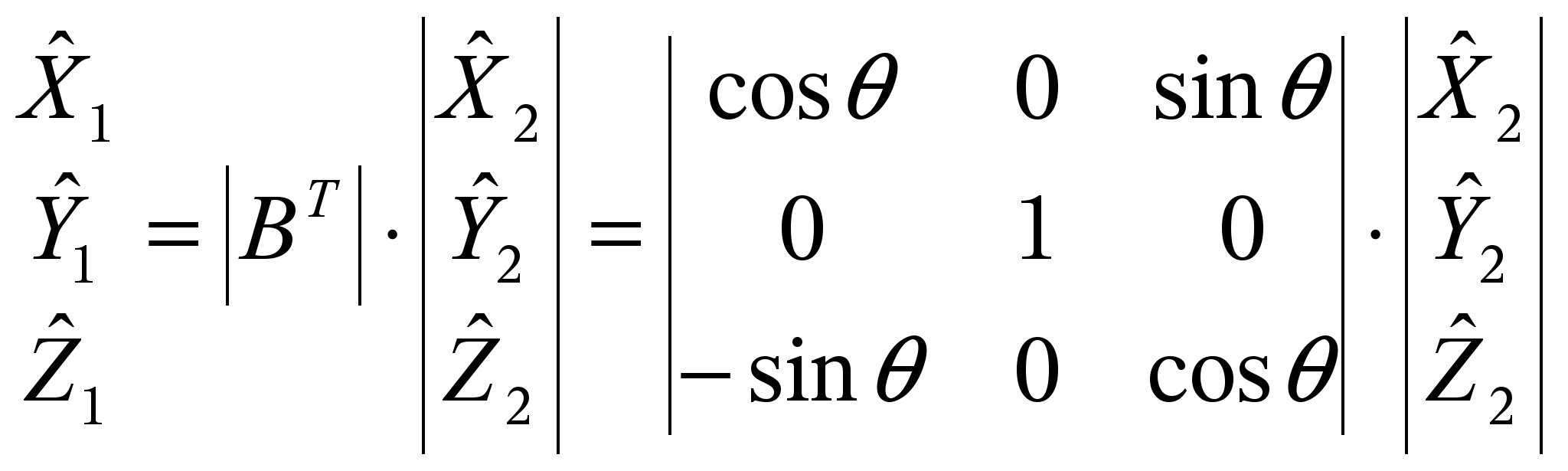
axes in,
,
coordinates are given by:
 5
5
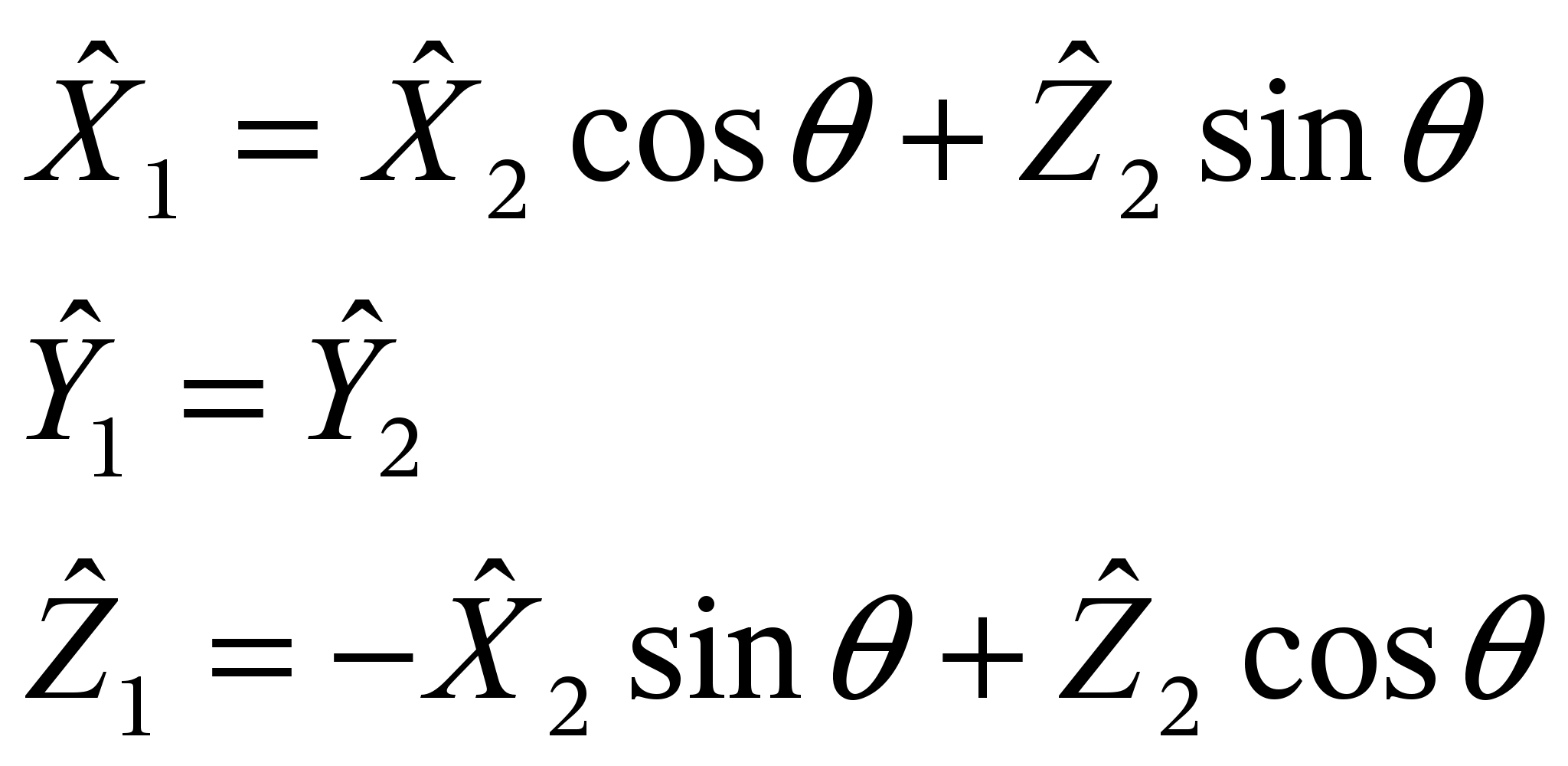
This says that
 6
6
Roll is
defined as the rotation about the new
axis that was created when we pitched. We roll about the
axis to give us the final
 ,
,
 ,
,
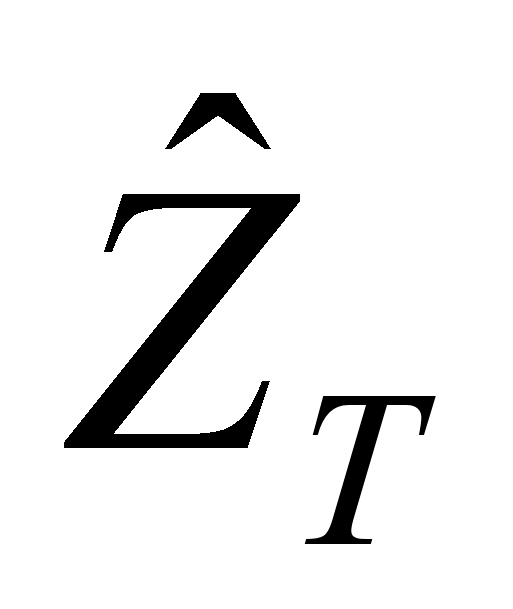 body axes in Earth coordinates.
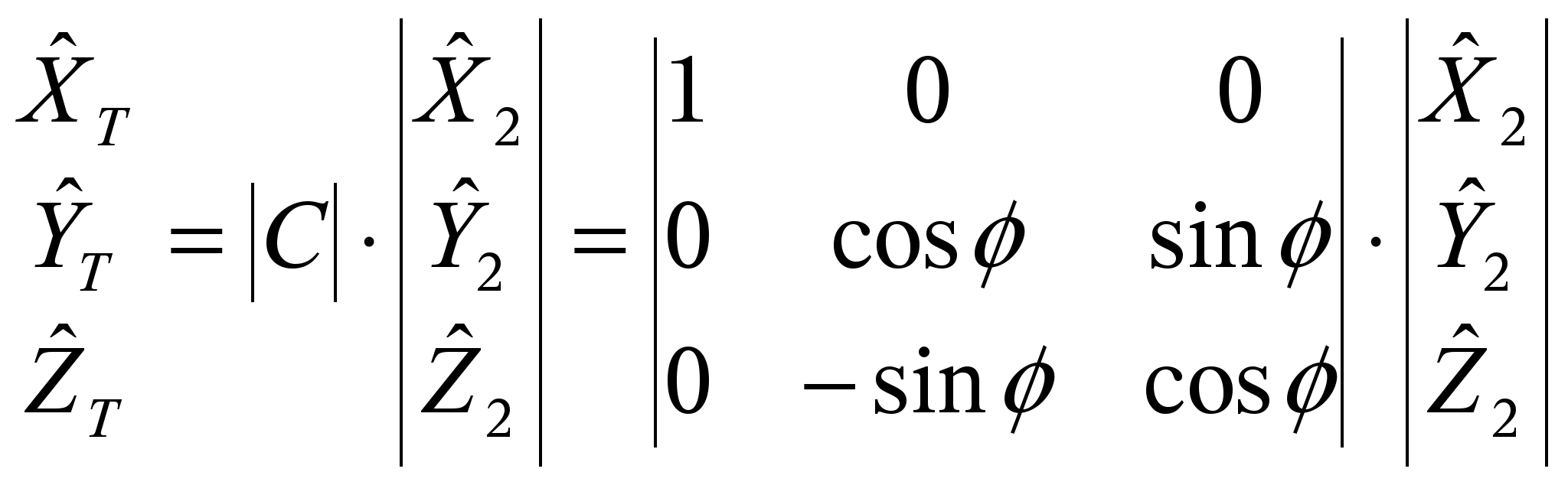 7
7
Body
,
,
axes in
 ,
,
 ,
,
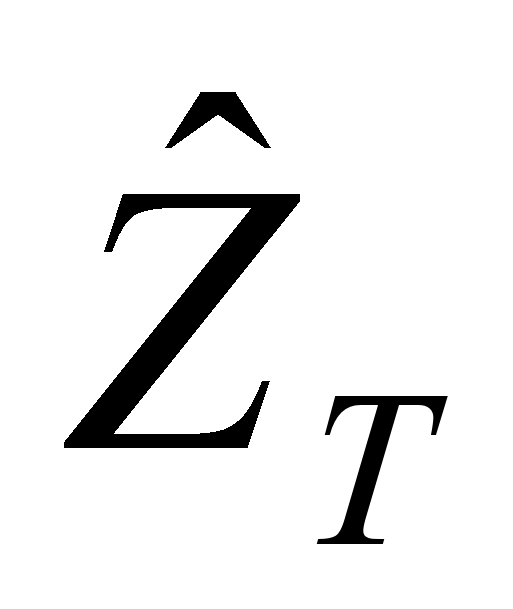 coordinates are given by:
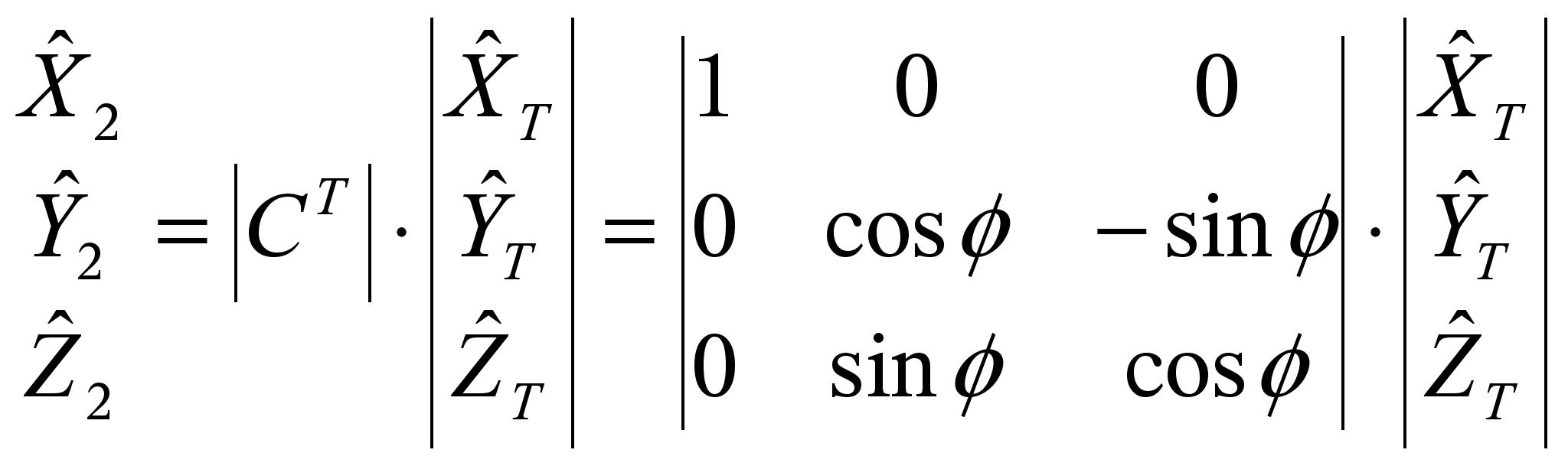 8
8
This says that:
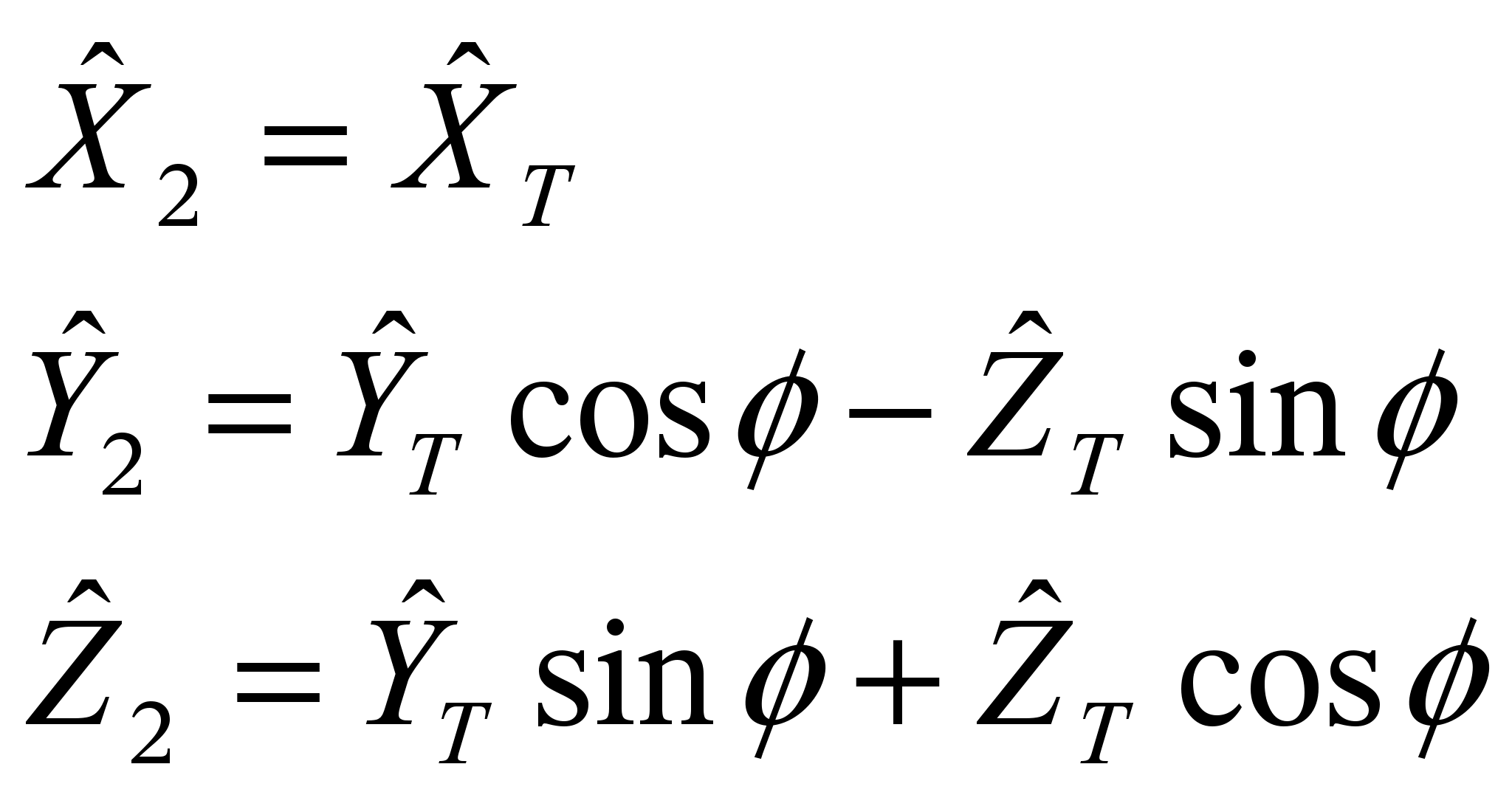 9
9
And
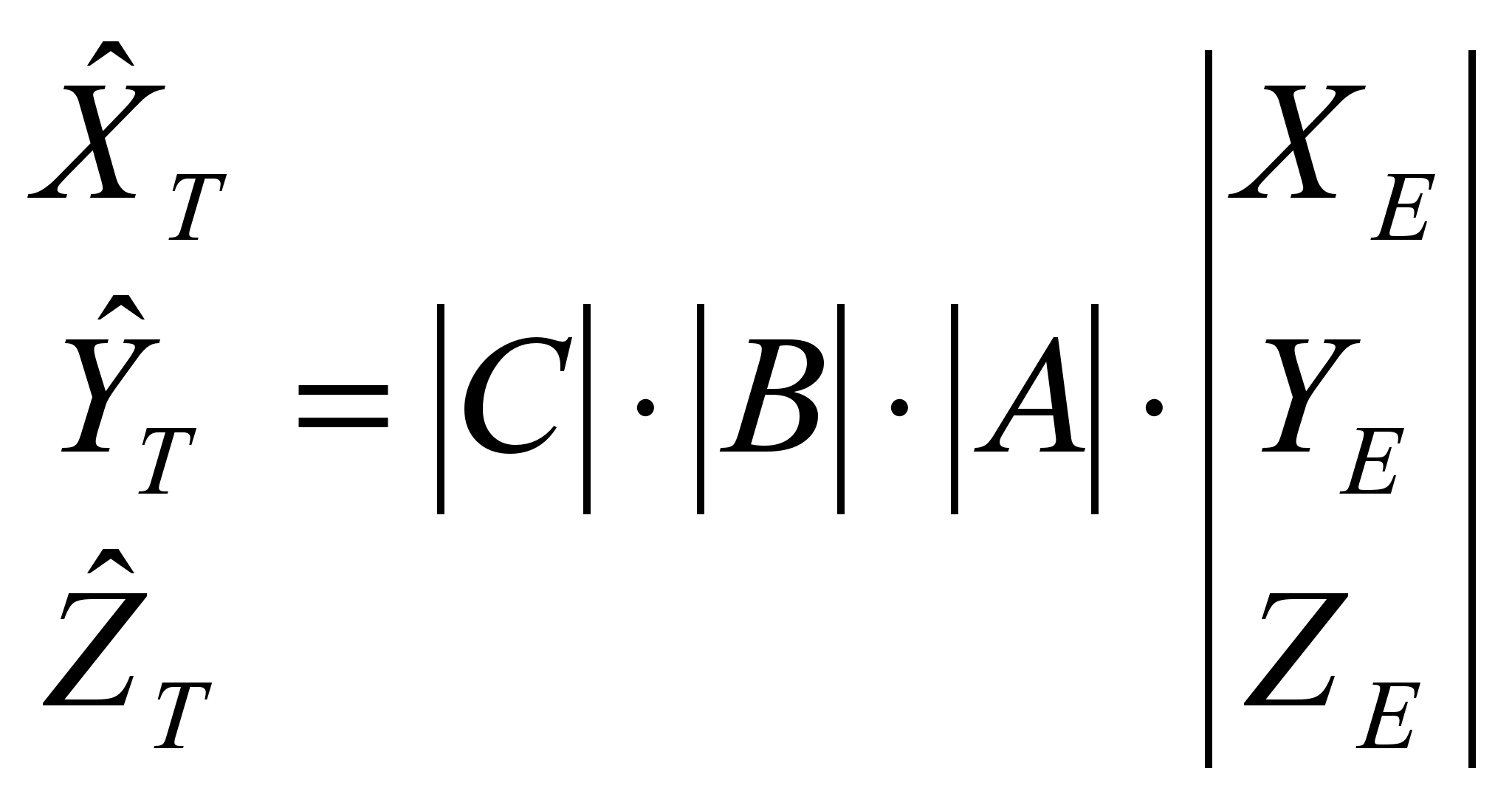 10
10
Each
rotation can be considered independently about the
 ,
,
 ,
,
 axes respectively. Therefore, their rates can be summed to derive an
angular velocity vector.
axes respectively. Therefore, their rates can be summed to derive an
angular velocity vector.
 11
11
Where
 is the yaw rate,
 is the pitch rate, and
 is the roll rate.
To create
a velocity vector in body coordinates, we need to express the angular
velocity components in Equation 11 in body coordinates ( ,
,
,
,
 )
to create the angular velocity (pqr) vector. Consider Equations 3
and 6:
)
to create the angular velocity (pqr) vector. Consider Equations 3
and 6:
 12
12
Substituteand
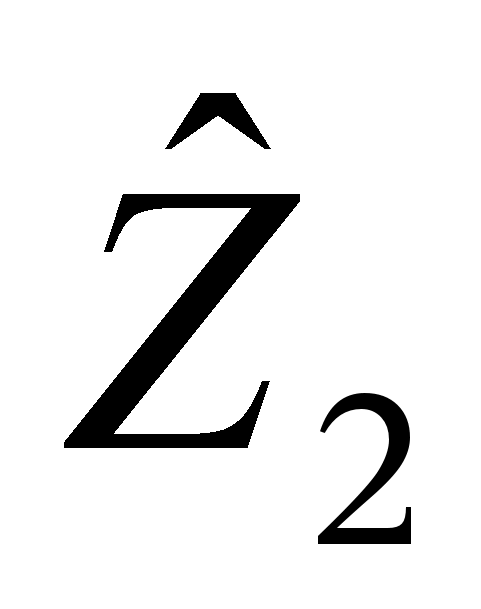 from Equations 9, you get
 13
13
Now, we have
in terms of body coordinates. Now consider the second component of
Equation 11. Substitute the
using Equations 6 and 9:
 14
14
Now, we
have
in terms of body coordinates. And finally consider the third
component of Equation 11. Substitute the
with
from Equation 9:
 15
15
Substitute the unit vectors in equation 10 with equations 13, 14, and 15.
 16
16
Now
rearrange Equation 16 to combine the,
,
components so
 17
17

Angular
velocity is a vector with components that are functions of pitch,
roll, yaw rate, pitch rate, and roll rate. The resulting components
agree with the
 ,
,
 ,
and
,
and
 values given in the IEEE std. P1278.1/d8.